

I’ll admit it: I interrupt too much. Often, I’ll have a conversation that looks something like this.
Me: “So, where’d you get that shirt?”
Other: “I picked it up at that store on Broadway, the one that started in Japan with the—”
Me: “Uniqlo?”
Other: “…”
Me: “…”
Other: “Yeah, so I picked it up at that store on Broadway…”
Notice the moment of awkward silence after I cut the other speaker off. This will occur 10–20 times in a conversation. But, as I started to pay more attention to conversational flow, I noticed that this only happens with a handful of people. With others, it looks something more like this:
Me: “So, where’d you get that shirt?”
Other: “I picked it up at that store on Broadway, the one that started in Japan with the — ”
Me: “Uniqlo?”
Other: “Yeah, Uniqlo! I love their summer clothing.”
Or even like this:
Me: “So, where’d you get that shirt?”
Other: “I picked it up at that store on Broadway, the one that started in Japan with the — ”
Me: “Uniqlo?”
Other: “Actually no, it was called GU—”
Me: “right, right right—”
Other: “it’s a sister brand of Uniqlo actually.”
Despite the multiple interruptions by me, conversation didn’t come to a halt. It seemed much more natural—the interruptions made it feel like I was signaling my interest. Compare this feeling to if I let the speaker monologue for 15 seconds without providing any feedback.
Me: “So, where’d you get that shirt?”
Other: “I picked it up at that store on Broadway, the one that started in Japan with the red sign. Uniqlo, I think it’s called. Yeah, they sell these kinds of shirts and they come in all different colors, you should check it out someday.”
Me: “Oh, cool. I’ve heard of it before.”
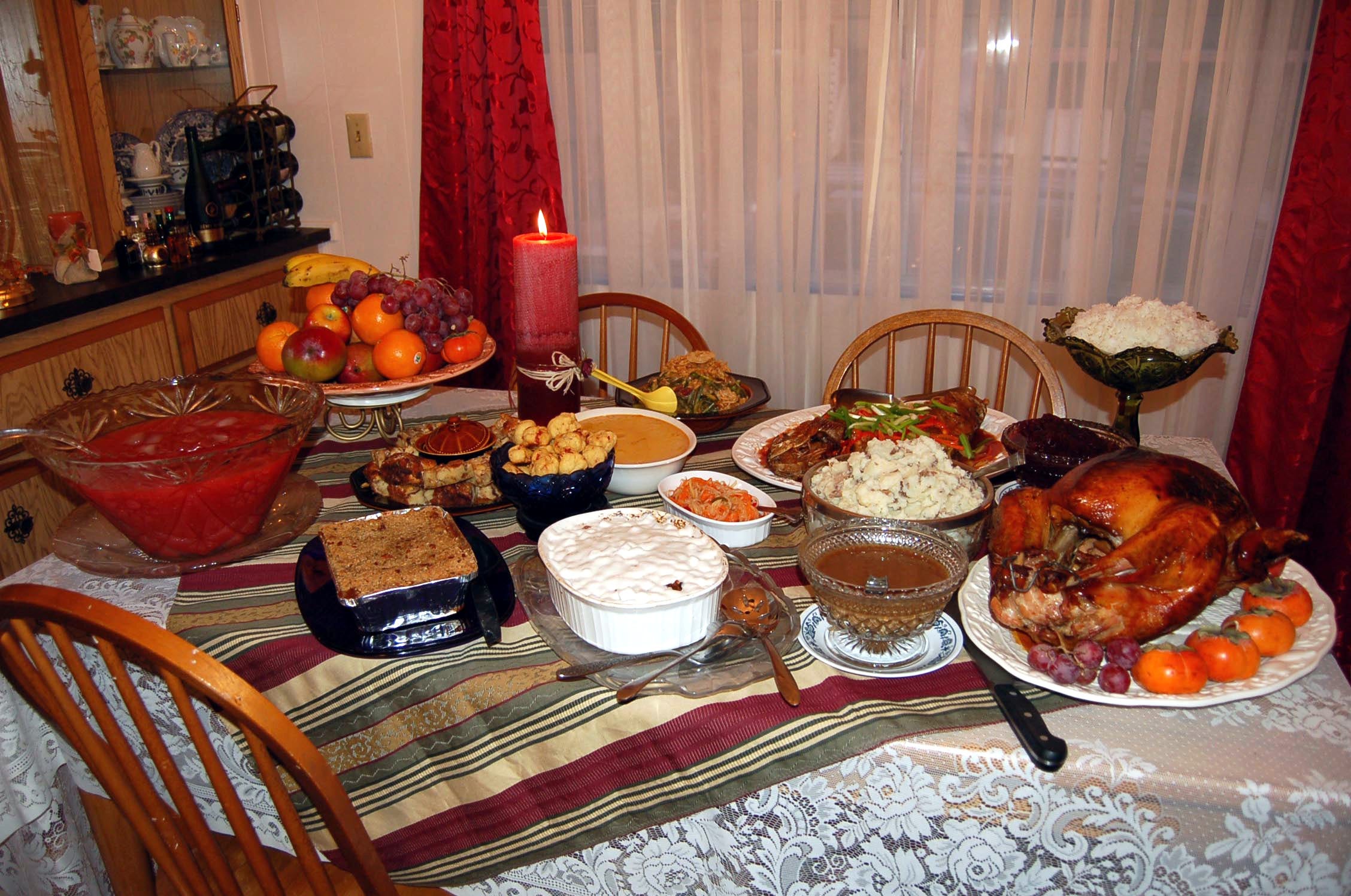
Despite my interruptions being a way for me to signal active engagement with the information being relayed, why did it fall flat with some partners, introducing awkward silences? After doing some research, the answer to my question came from Thanksgiving dinner. But not my own family’s Thanksgiving dinner last Thursday; rather, Dr. Deborah Tannen’s recordings and transcriptions of Thanksgiving conversation as detailed in her book Conversational Style.
The part of this book that’s relevant to my question is the discussion of two contrasting styles of conversation: High-Involvement vs. High-Considerateness.
High-Involvement style consists of many different aspects, including an affinity for personal topics, a faster rate of speech, and talk oriented around telling stories. But, the most relevant aspect of High-Involvement conversation style is a high degree of cooperative overlap.
My interjection of an educated guess “Uniqlo?” is an example of this cooperative overlap. Rather than being a bid to “steal the floor,” it serves as a way for people who converse like me to demonstrate interest in the topic. Even people who are unfamiliar with the topic at hand can use these interjections to feel as a part of the conversation, “piggybacking” off of others’ guesses, somewhat like character C does in this example:
A: “I picked it up at that store on Broadway, the one that started in Japan with the — ”
B: “Uniqlo?”
C: “Oh, yeah, Uniqlo!”
A: “Actually no, it was called GU — ”
B: “right, right right — ”
You’ll even see rapid-fire repetition of quick phrases (“right, right right”), which Tannen calls “machine-gunning.”
If this sounds like your ideal conversation, you may be a High-Involvement conversationalist. Tannen makes a precursory observation that the New Yorkers at her Thanksgiving dinner were more likely to be High-Involvement speakers.
Does this sound like a nightmare for you? You might be a High-Considerateness speaker. Read on…
So, what happened in my original conversation, where the exact same cooperative overlapping led to awkward silence?
Me: “So, where’d you get that shirt?”
Other: “I picked it up at that store on Broadway, the one that started in Japan with the — ”
Me: “Uniqlo?”
Other: “…”
Me: “…”
This interlocutor here believed I was interrupting them because they thought I had something substantial to say, rather than a simple interjection to confirm understanding. They may leave the conversation feeling like they were not being listened to. This is at no fault of their own, mind you—it’s simply an incongruency with my High-Involvement style and their High-Considerateness style.
High-Involvement speech may be a natural skill, but it’s definitely a learned one: The non-New Yorkers at Tannen’s dinner table remarked that they were astounded at how many people could talk at once (and still hold an intelligible conversation). Others yet expressed that they previously misunderstood High-Involvement conversation as repeated interruptions and unwelcome bids to speak.
So, what can we do? Here, I stray from the research done by Tannen and present my own opinions.
First, try to identify the type of speaker you’re talking to! You may be able to make an educated guess based on their cultural upbringing, but the best way is to listen. Do they cooperatively overlap frequently, or do they patiently wait their turn before speaking? You might even be able to use the other qualities of either conversation style, like their propensity to talk about personal topics or their tolerance for silent pauses, to determine which bucket they fit into.
If you’re a High-Involvement speaker like me talking to a High-Considerateness partner, you may have to make a conscious effort to hold your interjections and wait for them to finish. If you’re a High-Considerateness person talking to a High-Involvement interlocutor, try to remember that they aren’t trying to interrupt you. Finish your sentence—after all, they are trying to cooperatively overlap with you, which necessarily requires more than one person speaking at once!
Learning a little about conversation flow from the field of linguistics can help us be better speakers and listeners. So let’s start practicing now, and we’ll be ready for next Thanksgiving!
Referenced:
Tannen, Deborah. Conversational Style: Analyzing Talk Among Friends. Oxford Scholarship Online. New ed. New York: Oxford University Press, 2023
Specifically sections “Features of High-Involvement Style,” “The Thanksgiving Conversation,” and “Overlap and Pace.”
The Tannen text is available from the Yale Library if you are a student, or elsewhere online if not.